
Alfredo Rios
-
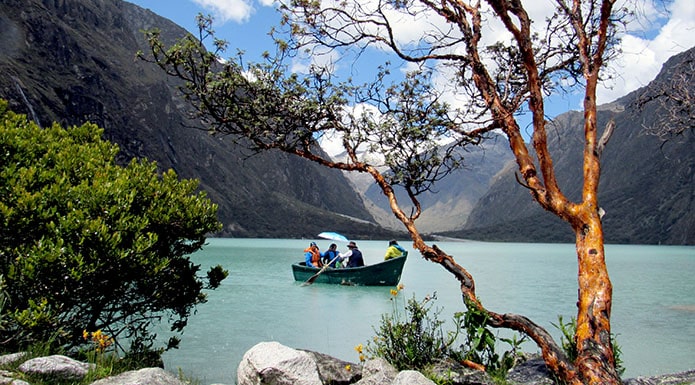
Huascarán National Park
Established: July 1, 1975. Area: 340,000 hectares. Location: provinces of Huaylas, Yungay, Carhuaz, Huaraz, Recuay and others. It covers almost the entire Cordillera Blanca, the highest tropical mountain range in the world, which stretches for about 180 km. There are more than 250 lakes in the park, and dozens of its peaks exceed 6,000 meters.…
-
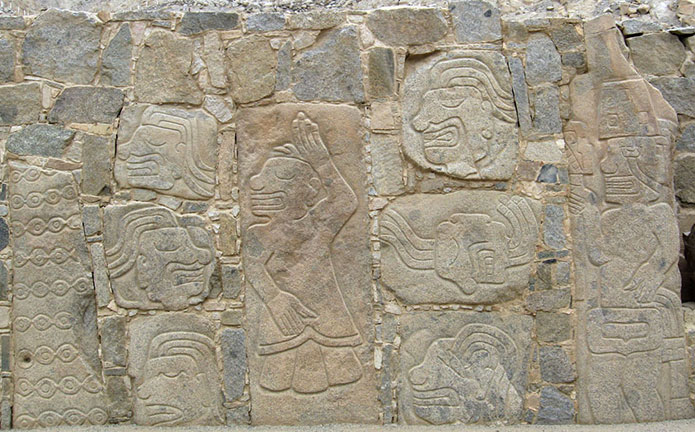
The Temple of Sechín
Cerro Sechín lies about five kilometers from Casma, at the foot of Sechín hill, in the area where the Sechín and Casma rivers meet. Julio C. Tello discovered this important site in 1937, while in the Casma Valley as part of the Archaeological Expedition to the Marañón. His first excavation lasted three months and uncovered…
-
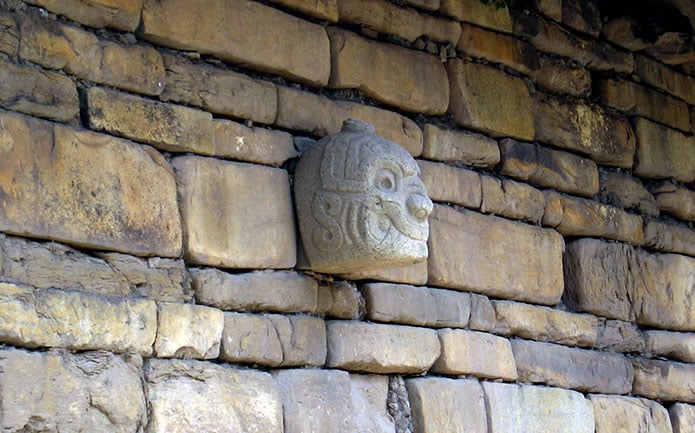
The Temple of Chavín de Huántar
Chavín de Huántar lies at 3,185 m (10,450 ft) above sea level and covers about 45,000 m². It owes its name to the fact that the village once belonged to the district of Huántar; the district of Chavín was created later. The most important early descriptions were made by Charles Wiener (1880) and Ernst Middendorf…
-
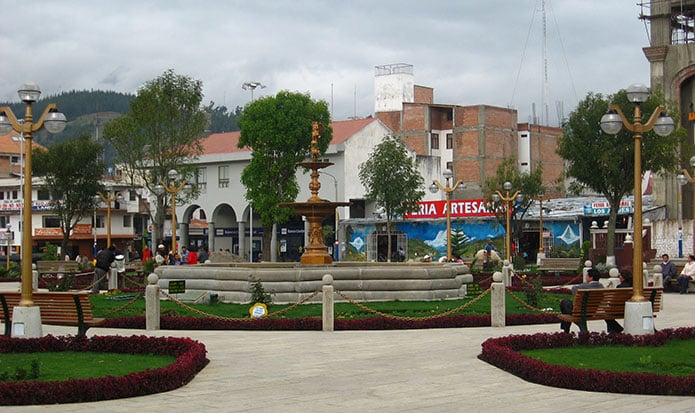
Huaraz and the Callejón de Huaylas
Huaraz is known as the “Switzerland of Peru” because of the snow-white peaks of the Cordillera Blanca. It is one of the main travel destinations in Peru, with unbeatable mountain scenery. Nearby rises Peru’s highest mountain, Huascarán (6,768 m / 22,205 ft), the highest peak in the tropics. Huaraz has everything a traveler could want:…
-
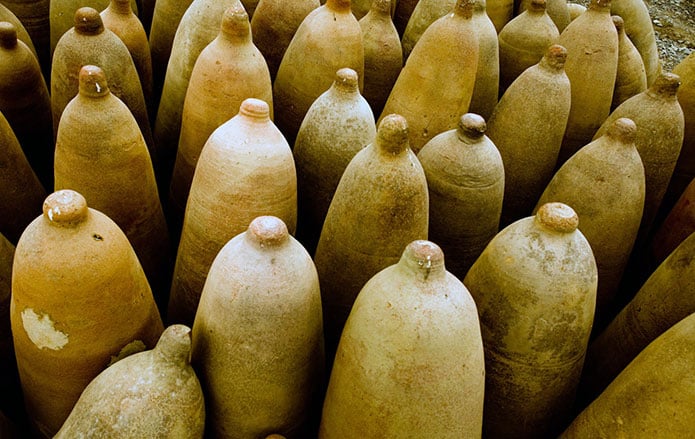
Peruvian Pisco
The name “pisco” comes from Quechua and is usually said to mean “bird”. When the Spanish arrived, “piscos” were also the cone-shaped clay vessels used to ferment chicha and other drinks, and Pisco is the name of the port and valley from which the spirit was shipped. Grape varieties:1. Non-aromatic: Quebranta, Mollar and Negra Criolla,…
-
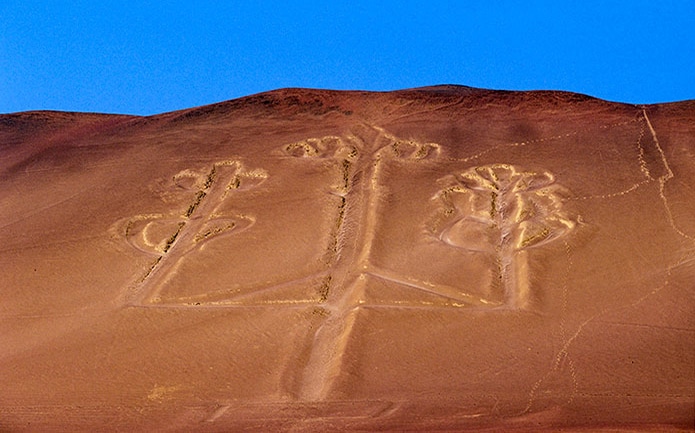
The Paracas National Reserve
The Paracas National Reserve is located in the province of Pisco and was established on September 25, 1975. It covers 335,000 hectares: 117,406 hectares of land and 217,594 hectares of sea. More than 1,500 species have been recorded here, including algae, land plants, mollusks, crustaceans and other invertebrates, some 168 species of fish, reptiles, more…
-
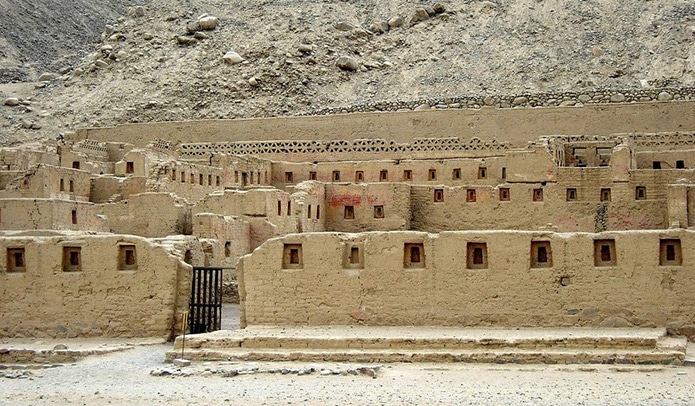
Tambo Colorado
Tambo Colorado lies at about 800 m (2,620 ft) above sea level on the right bank of the Pisco Valley. Its name combines the Quechua word tampu, “resting place”, with the Spanish colorado, “red”, because of the red paint on its walls. It is also known as Pucatampu. It was an administrative center built by…
-
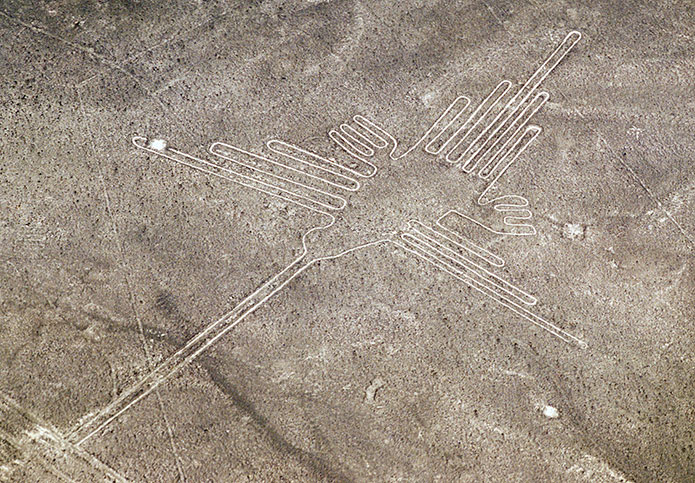
The Paracas and Nasca Cultures
The Paracas Culture This culture flourished between about 900 BC and AD 200, at the same time as the Chavín culture, which strongly influenced its art. It was centered in the Pisco and Chincha valleys and on the Paracas Peninsula. Its development can be divided into two periods: 1. PARACAS CAVERNAS One representative site of…
-
Ica: City of the Eternal Sun
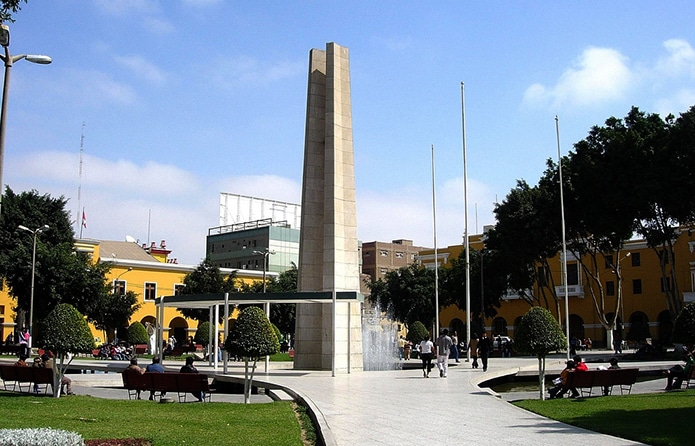
Ica is located about 300 kilometers south of Lima along the Pan-American Highway. The city was founded on June 17, 1563, on the orders of Viceroy Diego López de Zúñiga y Velasco, Count of Nieva, who commissioned Jerónimo Luis de Cabrera to found it under the name “Villa de Valverde”. The name was later changed…
-
The Colca Canyon
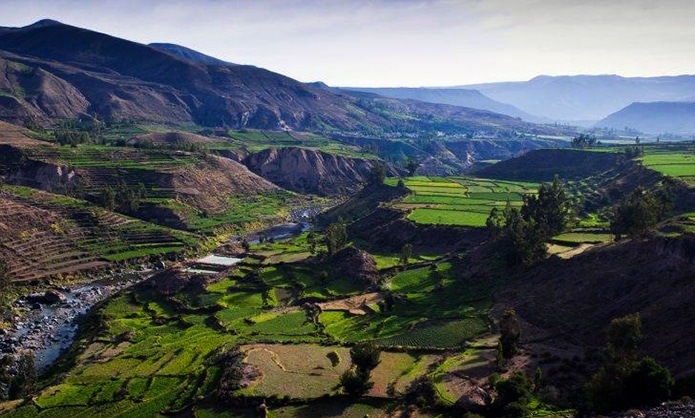
The Colca Valley begins near the town of Chivay and runs northwest for more than 60 kilometers to the Cruz del Cóndor viewpoint, near Cabanaconde. From there the valley narrows into the Colca Canyon, which is some 3,400 meters deep, one of the deepest in the world.Its walls rise from the river to snow peaks…