Travel Blog
History, culture and adventure across Peru
Explore by topic

Recent articles
The Colca Canyon
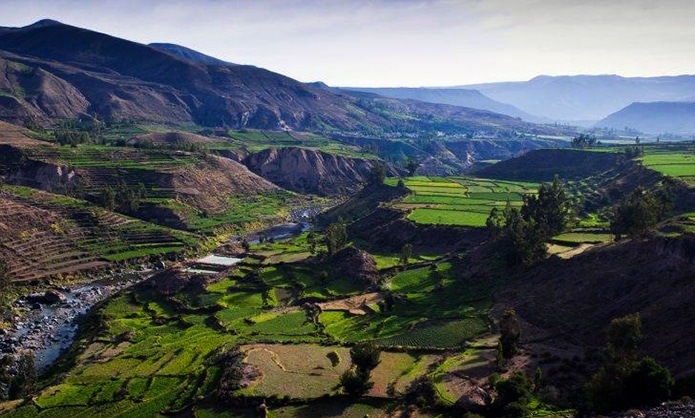
The Colca Valley begins near the town of Chivay and runs northwest for more than 60 kilometers to the Cruz del Cóndor viewpoint, near Cabanaconde. From there the valley narrows into the Colca Canyon, which is some 3,400 meters deep, one of the deepest in…
Read article: The Colca CanyonSanta Apolonia Hill
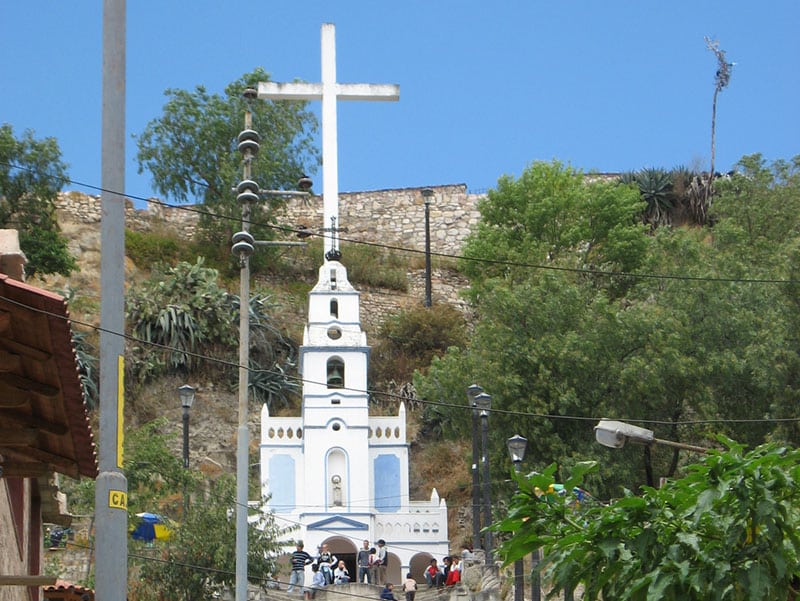
Santa Apolonia hill rises to 2,764 m (9,068 ft) above sea level, only 200 meters from the Plaza de Armas of Cajamarca, and is the city’s natural viewpoint. It is an outcrop of whitish, relatively soft volcanic tuff from the Tertiary period. The earliest occupation…
Read article: Santa Apolonia HillThe Chachapoyas Culture
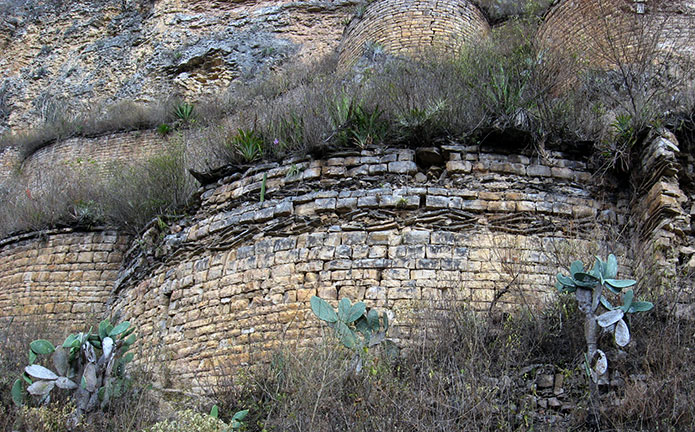
The Chachapoyas were made up of different ethnic groups. The Spanish conquistadors described them as brave warriors, and their women were renowned for their beauty and fair skin. The Incas took many young Chachapoya women to Cusco to serve as concubines of the nobility. Peter…
Read article: The Chachapoyas CultureThe Chaparrí Reserve
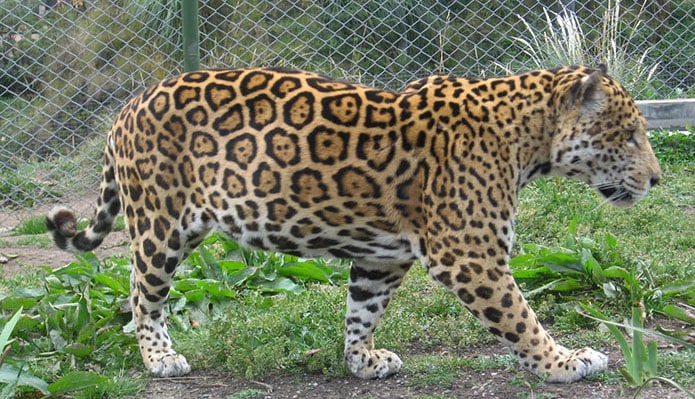
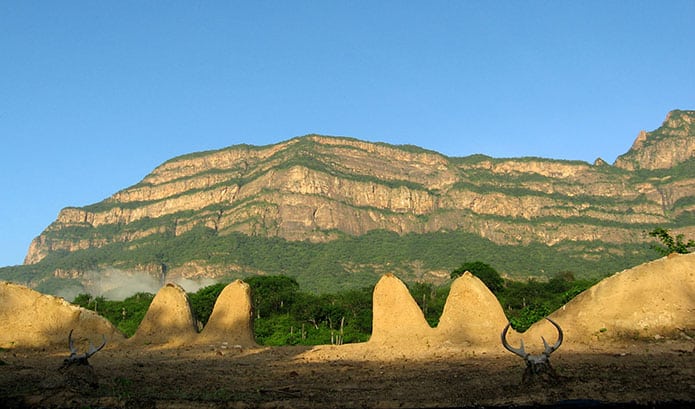
The Chaparrí Ecological Reserve is located 70 km from Chiclayo. It is the first private protected area in Peru and belongs to the Santa Catalina de Chongoyape farming community. It was promoted by the conservationist and photographer Heinz Plenge. It covers 34,412 hectares, from 350…
Read article: The Chaparrí ReserveInti Raymi
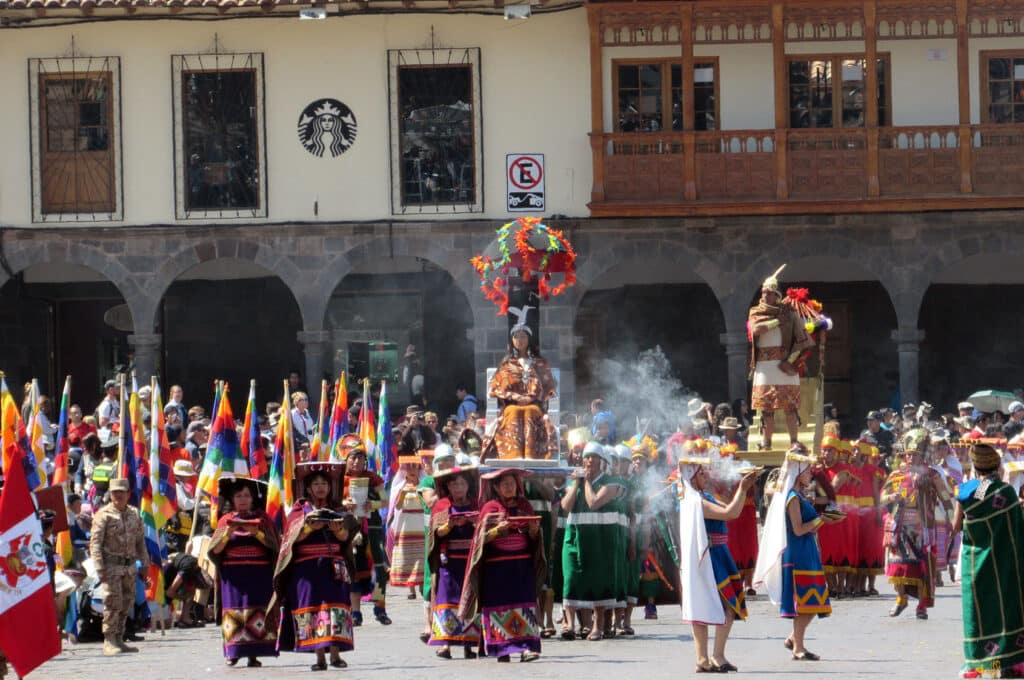
Inti Raymi was the Inca festival dedicated to the Sun god. The celebration was revived in Cusco in 1944 and is held every June 24 on the esplanade of Sacsayhuaman. The script was prepared by specialists who tried to remain as faithful as possible to…
Read article: Inti RaymiThe Puya Raimondii
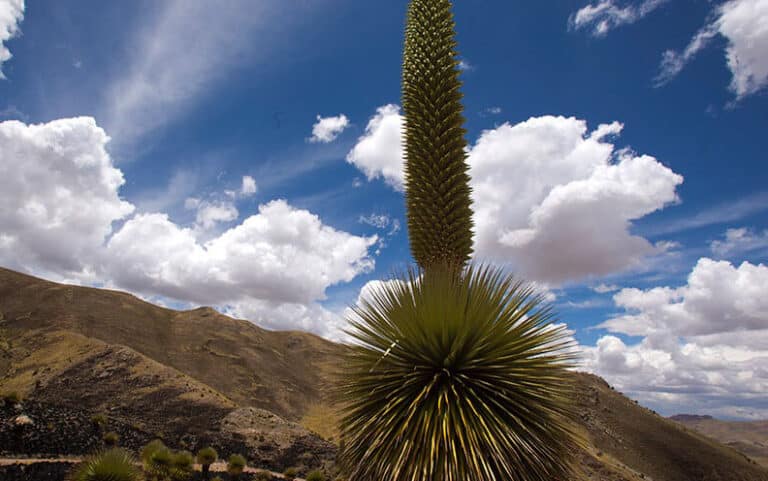
Scientific name: Puya raimondii Family: Bromeliaceae (the pineapple family). It is named after the Italian-born naturalist Antonio Raimondi. It is also known as the “Queen of the Andes”, and locally as titanca, ccara or santón. This giant bromeliad, the largest in the world, can reach…
Read article: The Puya RaimondiiPeruvian Pisco
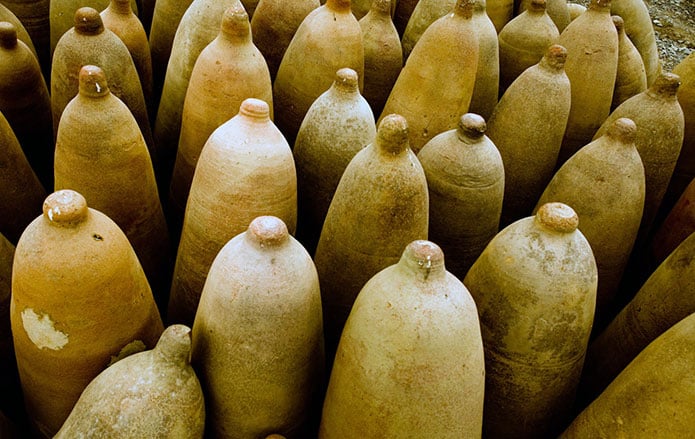
The name “pisco” comes from Quechua and is usually said to mean “bird”. When the Spanish arrived, “piscos” were also the cone-shaped clay vessels used to ferment chicha and other drinks, and Pisco is the name of the port and valley from which the spirit…
Read article: Peruvian PiscoThe Port of Callao
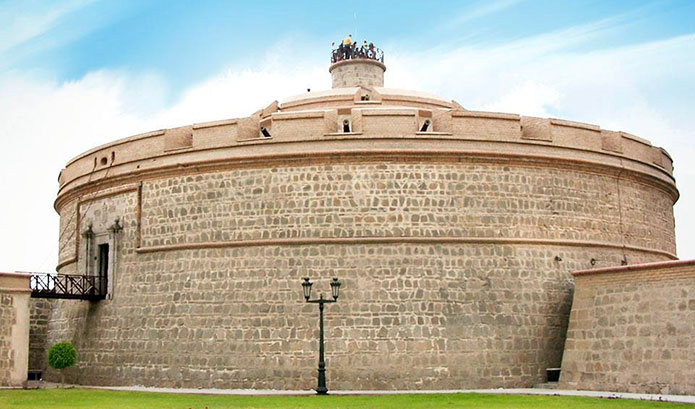
According to historical studies, the port of Callao began operating on March 6, 1537. Pizarro named it Santa Marina; it was later called the Port of the City of the Kings, El Pedregal, El Cascajal, and Callao de Lima. The name Callao probably comes from…
Read article: The Port of CallaoThe Chullpas of Sillustani
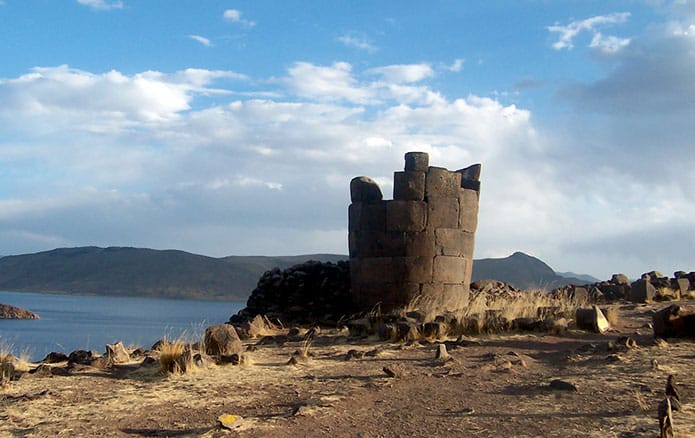
Sillustani is located about 35 km northwest of Puno. It was where the Colla nobility, and later the Incas, built their funerary towers, known as chullpas. They stand on a plateau about ninety meters above Lake Umayo, whose still waters shine like silver. Chullpas spread…
Read article: The Chullpas of SillustaniMuseums of Trujillo
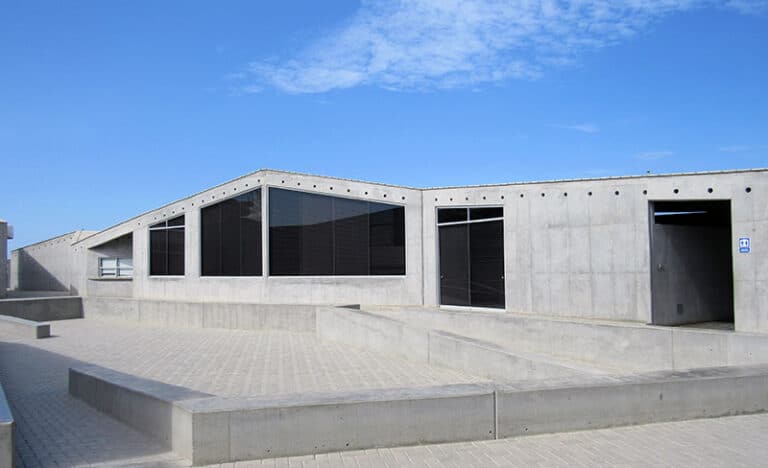
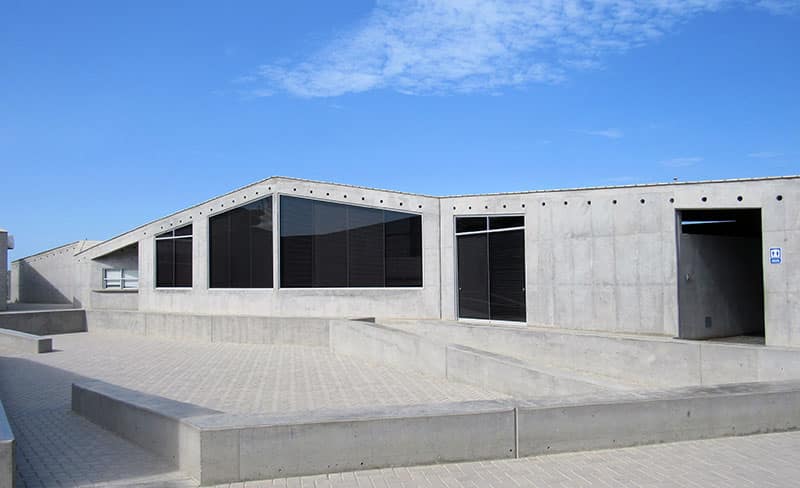
Trujillo has several museums, both in the city and at its archaeological sites. MUSEUM OF ARCHAEOLOGYIt is the oldest museum in Trujillo. It is housed in Casa Risco, which the government donated to the National University of Trujillo in 1995. The museum shows the cultural…
Read article: Museums of Trujillo

Hello, we are Tours.pe
A Peruvian travel agency registered with MINCETUR, organizing private and group tours for more than 20 years. Here we share what we learn on every trip.