
Peru has more than seventy national protected natural areas, managed by SERNANP (the National Service of Natural Protected Areas), as well as regional and private conservation areas. Together they protect a significant part of the country’s territory, from the coastal desert and the sea to the high Andes and the Amazon rainforest. These are the main categories, with some of the best-known examples for travelers.
Biosphere Reserves
These areas are recognized by UNESCO’s Man and the Biosphere Programme. They include Manu (Cusco and Madre de Dios), Huascarán (Áncash) and the Northwest Amotapes-Manglares Biosphere Reserve (Piura and Tumbes), among others.
National Parks
National parks are strictly protected areas where most human activities are prohibited, except ecotourism, research and environmental education in designated zones. Some of the most important are:
- Manu National Park (Cusco / Madre de Dios): one of the most biodiverse places on Earth, from cloud forest to lowland rainforest.
- Huascarán National Park (Áncash): the Cordillera Blanca, the highest tropical mountain range in the world.
- Bahuaja-Sonene National Park (Madre de Dios / Puno): rainforest and the palm savannas of the Pampas del Heath.
- Río Abiseo National Park (San Martín): cloud forests and the archaeological site of the Gran Pajatén.
- Cerros de Amotape National Park (Tumbes / Piura): equatorial dry forest.
- Cordillera Azul National Park (San Martín / Loreto / Ucayali / Huánuco).
- Yanachaga-Chemillén National Park (Pasco), Otishi National Park (Junín / Cusco), Tingo María National Park (Huánuco) and Cutervo National Park (Cajamarca), the oldest in Peru, created in 1961.
National Reserves
Their purpose is to conserve biodiversity while allowing the sustainable use of wild resources, under management plans approved and supervised by the authorities. Examples include:
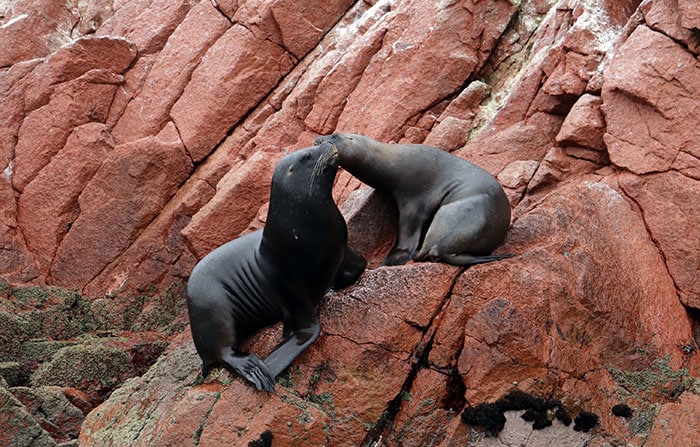
- Paracas National Reserve (Ica): desert coastline, sea lions and seabirds; the Ballestas Islands are nearby.
- Pacaya-Samiria National Reserve (Loreto): one of the largest protected areas in the Peruvian Amazon, a world of flooded forests.
- Tambopata National Reserve (Madre de Dios): famous for its macaw clay licks.
- Titicaca National Reserve (Puno): totora reed beds and the Uros floating islands.
- Salinas and Aguada Blanca National Reserve (Arequipa / Moquegua): vicuñas, flamingos and volcanoes.
- Pampa Galeras National Reserve (Ayacucho): created to protect the vicuña.
- Lomas de Lachay National Reserve (Lima), Junín National Reserve (Junín / Pasco) and Calipuy National Reserve (La Libertad).
National Sanctuaries
They protect specific species, communities and ecosystems, such as the Tumbes Mangroves, the Lagunas de Mejía (Arequipa), Huayllay and its stone forest (Pasco), Ampay (Apurímac), Calipuy (La Libertad) and Tabaconas-Namballe (Cajamarca).
Historic Sanctuaries
They protect places of national historical importance together with their natural surroundings: the Historic Sanctuary of Machu Picchu (Cusco), the Pómac Forest (Lambayeque), the Pampa de Ayacucho (Ayacucho) and Chacamarca (Junín).
Other Categories
- Landscape Reserves, which protect areas of special cultural and scenic value, such as Nor Yauyos-Cochas (Lima / Junín) and the Cordillera Huayhuash.
- Communal Reserves, which conserve wildlife for the benefit of neighboring indigenous and rural communities, such as Amarakaeri, El Sira, Yanesha, Asháninka and Machiguenga.
- Protection Forests, which preserve vegetation cover in watersheds, such as Alto Mayo (San Martín) and Pui Pui (Junín).
- Hunting Reserves (cotos de caza), such as El Angolo (Piura), where regulated sport hunting is allowed.
- Reserved Zones, areas under study before receiving a permanent category.
For the official, up-to-date list of protected areas, see SERNANP, Peru’s National Service of Natural Protected Areas.
Advertisement