
Alfredo Rios
-
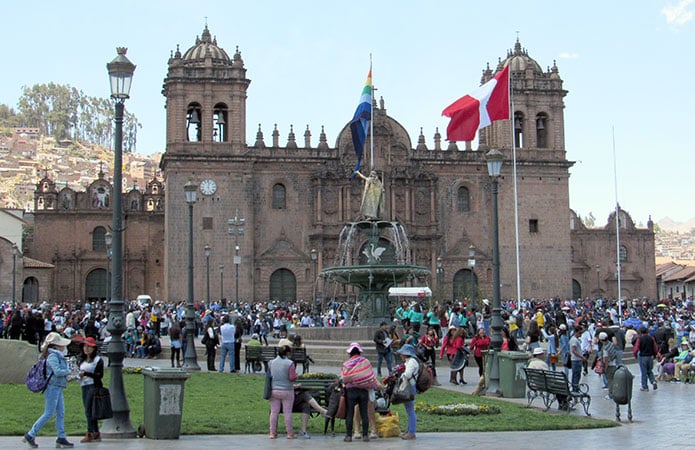
Cusco: Churches and Convents
CATHEDRALAlso a minor basilica. It first stood on the Inca building of Sunturwasi, where the Church of El Triunfo stands today. The seat was later moved to Kiswarkancha, the palace of the Inca Wiracocha. The cathedral is Renaissance in style and reaches a height of 33 meters. It was built between 1560 and 1668 with…
-
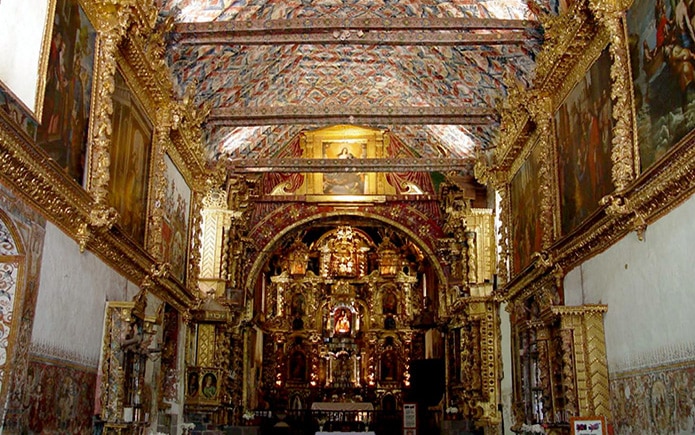
The Church of Andahuaylillas
Andahuaylillas is a village in the province of Quispicanchi, 44 kilometers from Cusco. The village is famous for its church, known as the “Sistine Chapel of the Americas” because of its magnificent murals. The church was possibly built on top of an ancient Inca temple. It was dedicated to Saint Peter and has a single…
-

Cusco: Archaeological Capital of the Americas
Cusco is the Tourism Capital of Peru and the Archaeological Capital of the Americas. It was also declared a UNESCO World Heritage Site on December 9, 1983. In Inca times it was known as Qosqo, “the Navel of the World”. The city lies at the foot of San Cristóbal hill, between the Tullumayo and Huatanay…
-
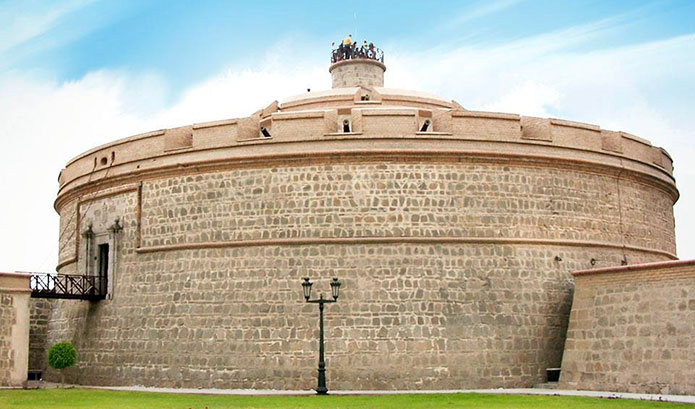
The Port of Callao
According to historical studies, the port of Callao began operating on March 6, 1537. Pizarro named it Santa Marina; it was later called the Port of the City of the Kings, El Pedregal, El Cascajal, and Callao de Lima. The name Callao probably comes from a European sailors’ term of Portuguese origin (calhau), referring to…
-
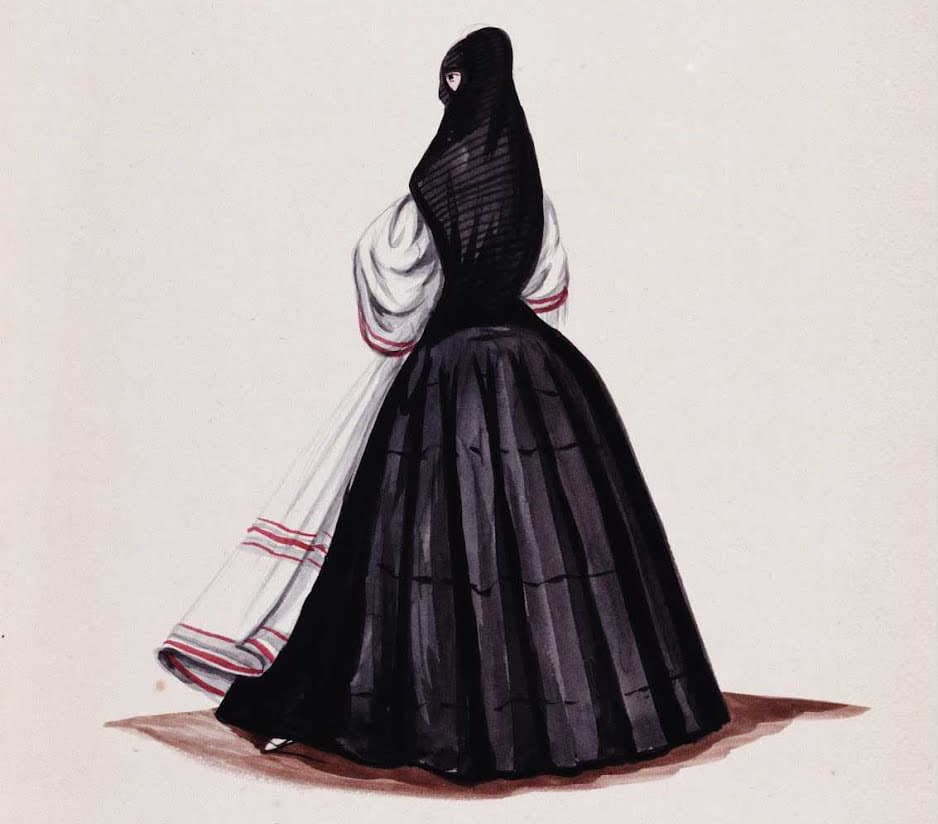
The Tapadas of Lima
The “tapadas” (covered ones) were the women of colonial Lima who wore a costume that left only their eyes visible. This way of dressing came from an old Andalusian fashion. Women went out covered like this when walking, going to church or attending bullfights, to avoid the attentions of admirers. The costume allowed some ladies…
-
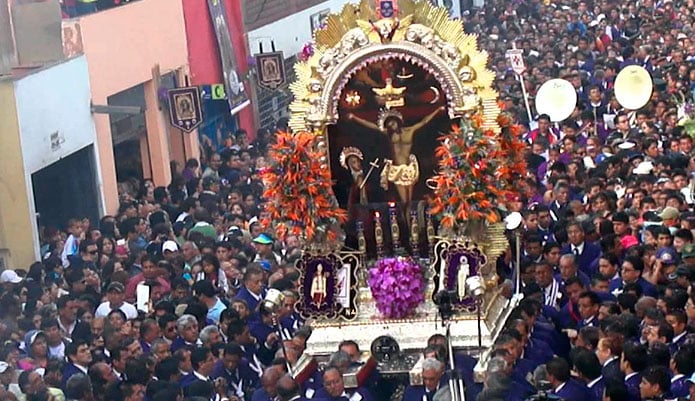
The Lord of Miracles
This is the most important religious festival in Lima. According to tradition, the devotion began in the neighborhood of Pachacamilla, where in 1651 an Afro-Peruvian painted an image of the crucified Christ on a wall. Strong earthquakes struck Lima in 1655 and 1687, but the wall survived, which people saw as a miracle. In October…
-
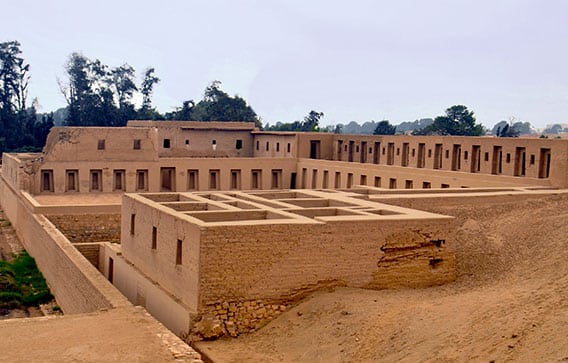
Lima: Sightseeing Outside the City
SANCTUARY OF PACHACAMACIt was the most important religious sanctuary in this region. It stands on the right bank of the Lurín River and covers 200 hectares. According to the Inca Garcilaso de la Vega, the name Pachacamac comes from two Quechua words: Pacha, “world”, and Camac, “to animate”. According to the chroniclers, its ancient name…
-
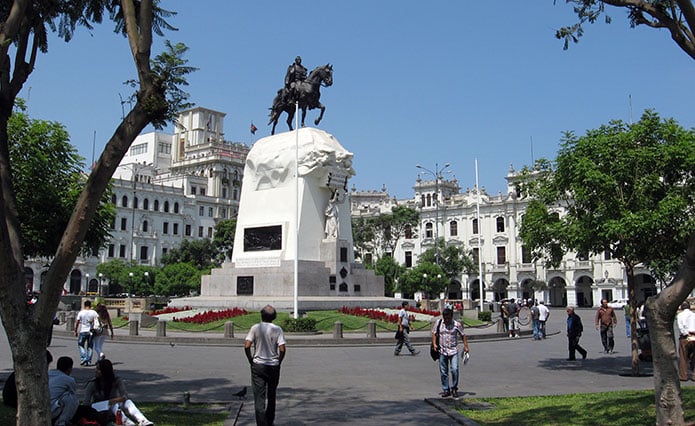
Lima: Sightseeing in the City
PLAZA DE ARMASIt was from the Plaza Mayor (main square) that Francisco Pizarro began laying out the city with his sword. Around the square stand the Government Palace, the Municipal Palace, the Cathedral and the Archbishop’s Palace. In the center is a beautiful bronze fountain, installed in 1651 under Viceroy García Sarmiento de Sotomayor, Count…
-
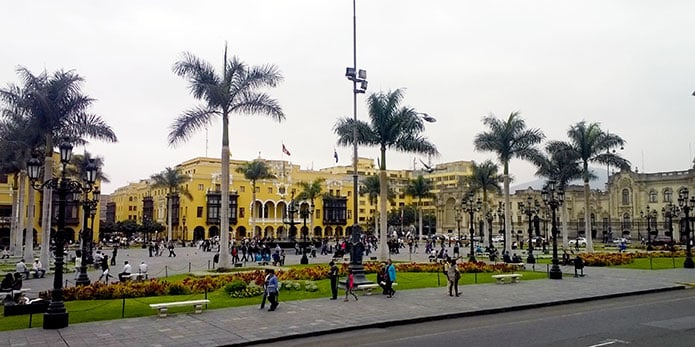
Lima: City of the Kings
Lima is located on the central coast of Peru, in the Rímac Valley, at the foot of San Cristóbal hill. Lima was founded by Francisco Pizarro on January 18, 1535. It was the capital of the Viceroyalty of Peru, it is the capital of the country today, and its historic center is a UNESCO World…
-
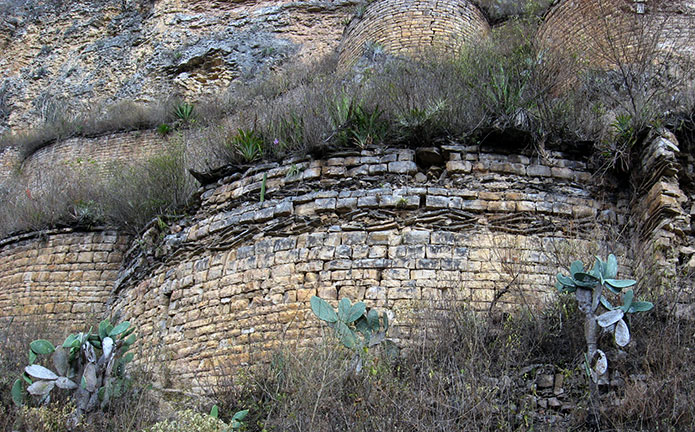
The Chachapoyas Culture
The Chachapoyas were made up of different ethnic groups. The Spanish conquistadors described them as brave warriors, and their women were renowned for their beauty and fair skin. The Incas took many young Chachapoya women to Cusco to serve as concubines of the nobility. Peter Lerche (1986) estimated the population of this culture at 300,000…