
Alfredo Rios
-
Natural Records of Peru
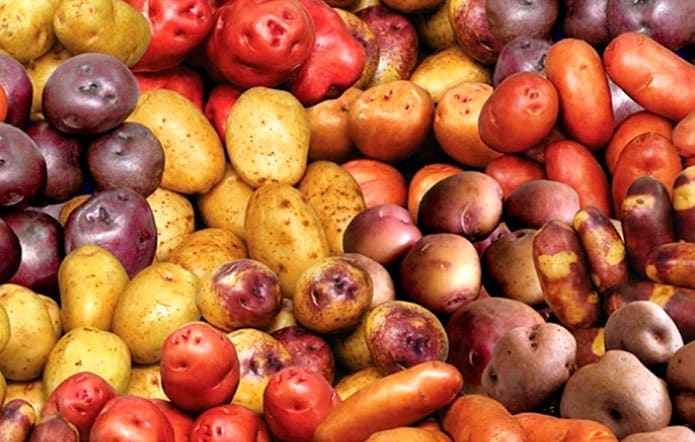
Peru is one of the most megadiverse countries on the planet. It is among the world leaders in numbers of species of butterflies, birds (more than 1,800 species), orchids and native domesticated plants. It is also among the countries in the Americas with the most species of mammals. It is the country with the most…
-
Natural Reserves of Peru
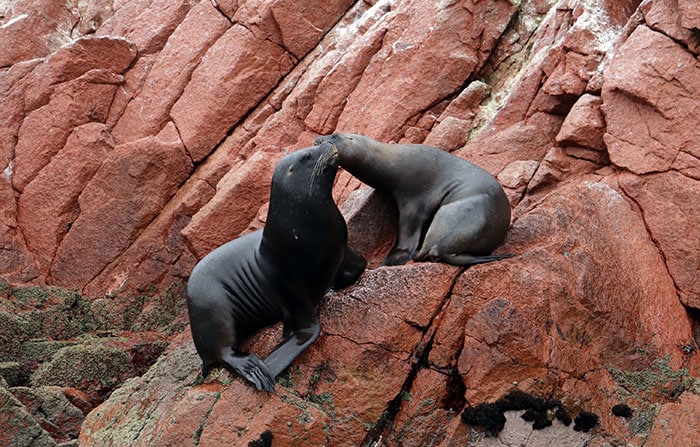
Peru has more than seventy national protected natural areas, managed by SERNANP (the National Service of Natural Protected Areas), as well as regional and private conservation areas. Together they protect a significant part of the country’s territory, from the coastal desert and the sea to the high Andes and the Amazon rainforest. These are the…
-
The Eleven Ecoregions of Peru
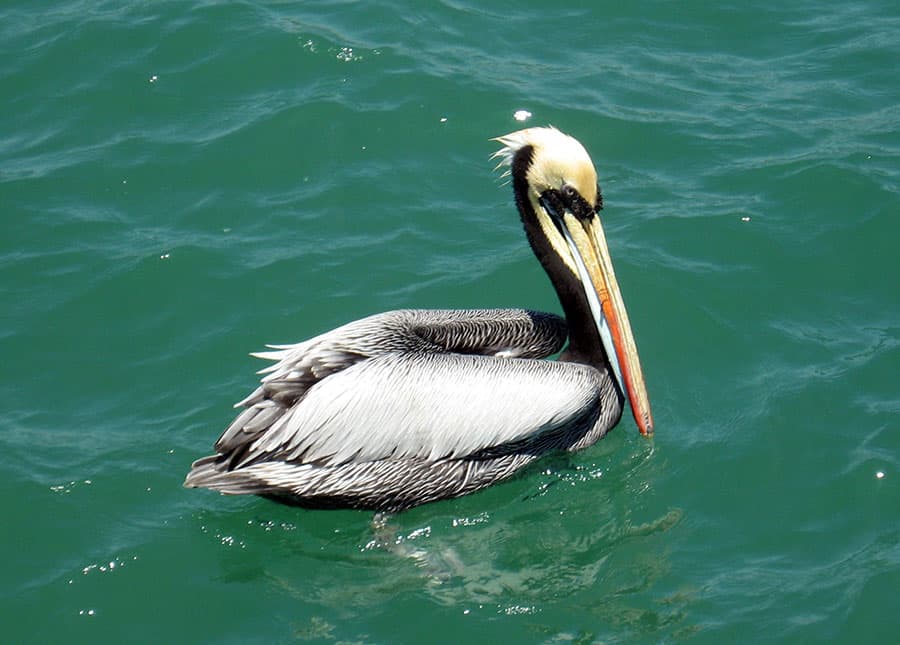
Taking into account climate, geographic regions, rivers, plants and animals, the renowned Peruvian scientist Antonio Brack Egg identified eleven ecoregions in Peru. 1. The Cold Sea of the Humboldt Current The first of Peru’s eleven ecoregions stretches from central Chile up to latitude 5° south, in Piura. Its water temperature drops to 13-14 °C (55-57…
-
Presidents of Peru
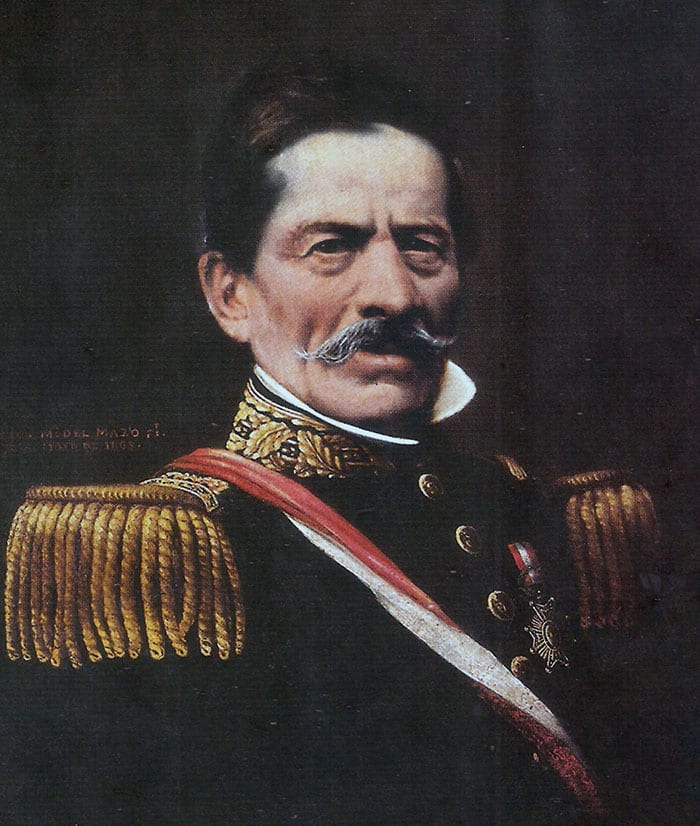
This is the list of the heads of state of Peru since independence, with the years in which they governed. General José de San Martín, 1821-1822 (Protector) José de la Riva-Agüero, 1823 José Bernardo de Tagle, 1823 General Simón Bolívar, 1824 Marshal José de La Mar, 1827-1829 General Antonio Gutiérrez de la Fuente, 1829 General…
-
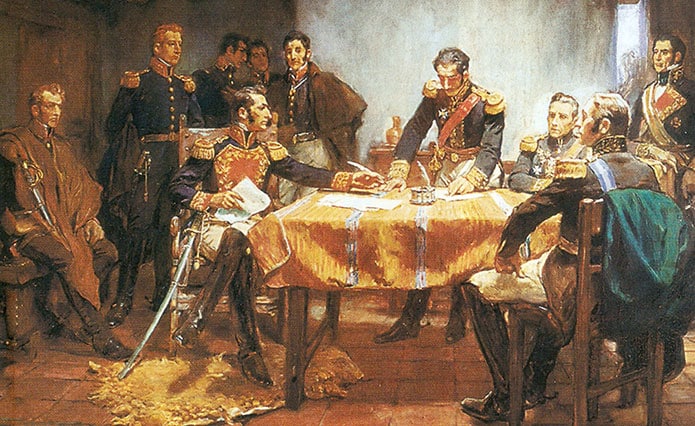
The Independence of Peru
The struggle for emancipation in Peru began with the rebellion of José Gabriel Condorcanqui, Túpac Amaru II, an indigenous nobleman who rose up against the abuses of the corregidores and the colonial administration. On November 4, 1780, Túpac Amaru II took prisoner the corregidor of the province of Tinta, in Cusco, and shortly afterwards had…
-
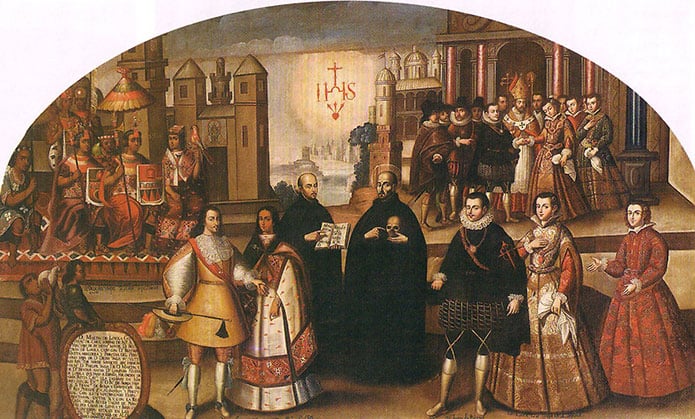
The Viceroyalty of Peru
The Viceroyalty of Peru officially began with the ordinance signed by Charles V in Barcelona on November 20, 1542. At its height it covered a territory stretching from Panama to Tierra del Fuego, except for Venezuela and the part of Brazil that belonged to Portugal. THE VICEROY “The other self of the king”, he personified…
-
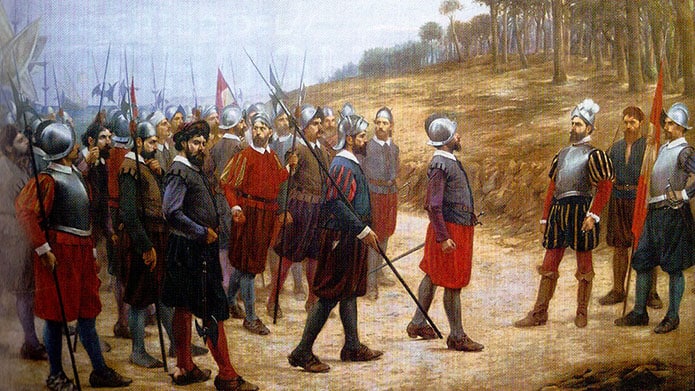
The Conquest of Peru
The Spanish first reached Peruvian territory during Francisco Pizarro’s second voyage, in 1527. They sailed along much of the north coast, passing Paita, Sechura and Pacasmayo, as far as the mouth of the Santa River, from where they decided to return to Panama. After this, Pizarro traveled to Spain. On July 26, 1529, in Toledo,…
-
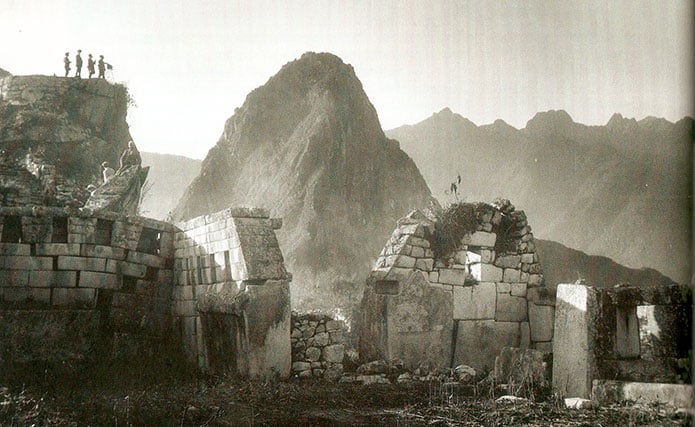
The Inca Empire
The Incas built the largest civilization in South America. Their territory formed the Tahuantinsuyo, which in Quechua means “the four regions united”. Power was not in the hands of a single ruler; there was a diarchy. This dual government held that power should be shared by two people: one in charge of civic, political, economic,…
-
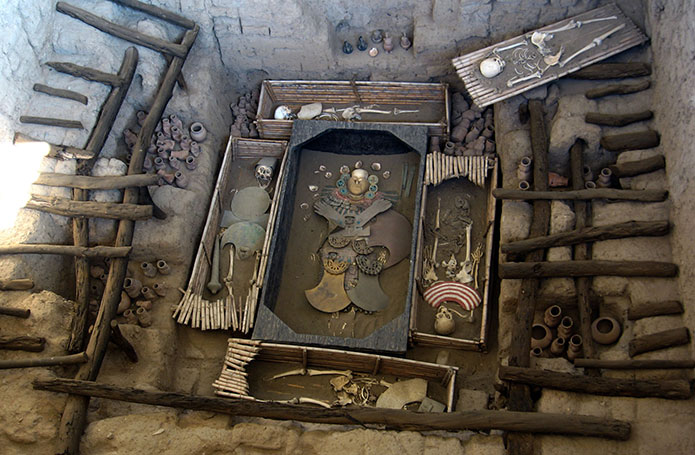
Archaeology and Ancient Cultures of Peru
LITHIC PERIOD (FROM 12,000 BC) People lived by hunting horses, ground sloths, deer and camelids. Land snails were also eaten in some parts of the coast. Life on the coast was different from life in the highlands. Bonavia (1991) argued that despite the heavy rains of the late Pleistocene, the coast was a dry desert,…
-
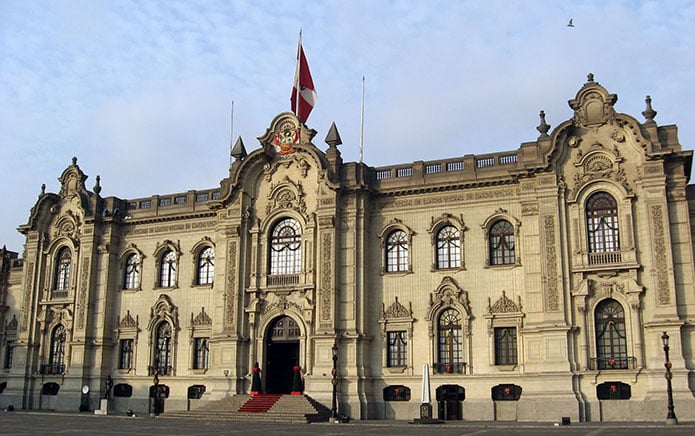
Peru: General Information
Peru is located in the central and western part of South America. Because it lies south of the Equator, it belongs to the Southern Hemisphere. AREA 1,285,216.63 km², making it the third-largest country in South America. Its coastline, from the Capones channel on the border with Ecuador to the point where the Concordia line meets…